Skip to content


A recap from the week: Gas prices posted their largest monthly jump on record, pushing U.S. inflation to a two-year high as the Iran war squeezes global oil supplies. Amazon finally put a number on its AI business. And four astronauts splashed down after traveling farther from Earth than any humans in history.
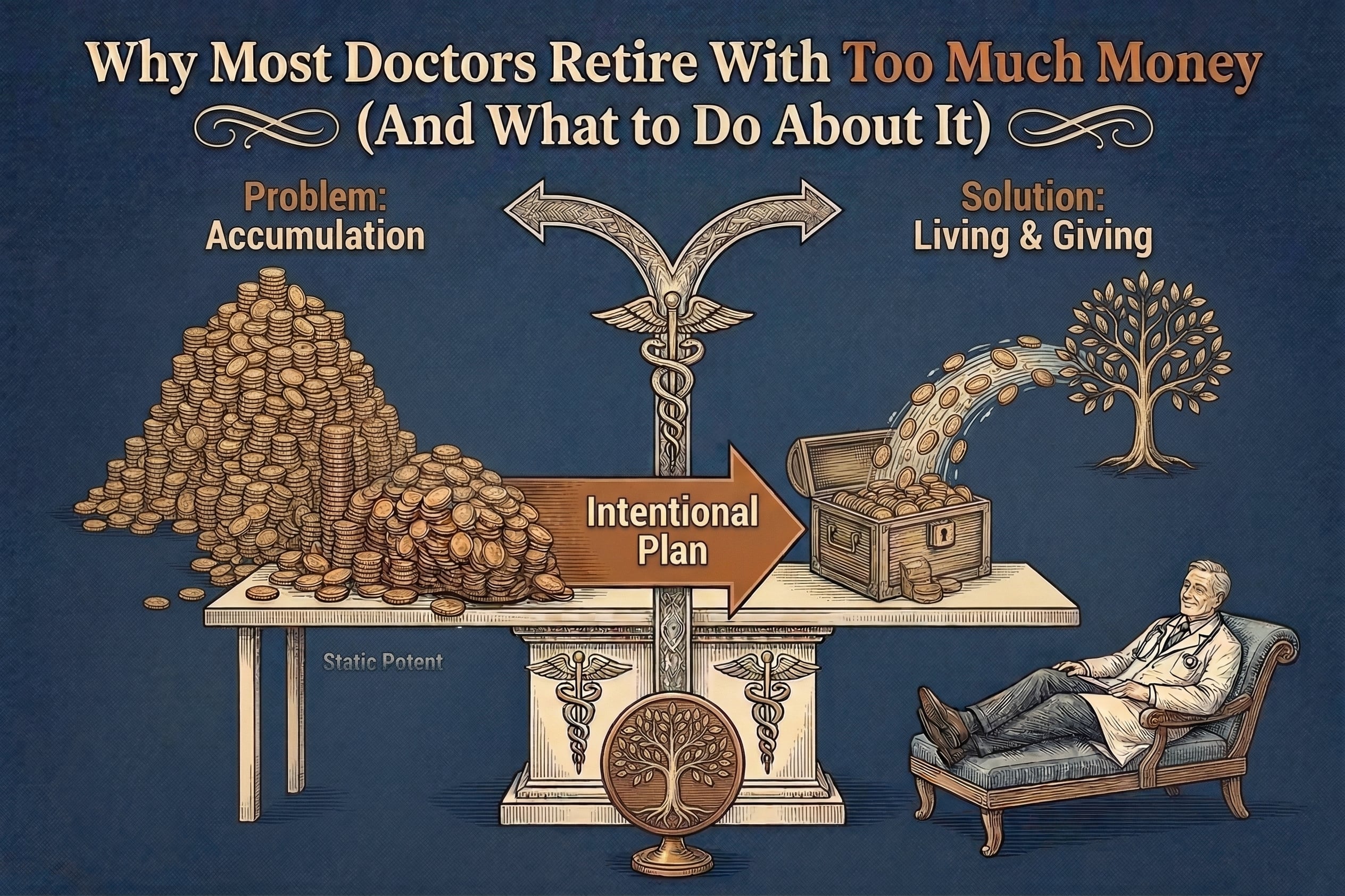
A growing number of physicians are shuffling off this mortal coil with a small fortune they never touched. They worked past the point of financial necessity, delayed trips they never got around to taking, and spent the last years of a productive life quietly hoarding a nest egg that their kids or the IRS will end up carving up.
Think doing taxes is hard? One substack writer went down the rabbit hole of filing their own taxes. Read the full — and funny — journey about the complexity of American taxes.
The first evidence of how Americans view the economy in April is in: People hate it. Americans are remarkably down on the state of the economy, even though headline measures of conditions like unemployment and inflation are not that bad.
Everyone who has been predicting the downfall of the economy since the end of the Great Financial Crisis has been wrong, often spectacularly so. The economy just keeps chugging along.
The upper middle class is caught in a trap, and many of them don’t realize it. What’s the trap, you ask? People are paying more, and getting less.
America is the wealthiest country the world has ever seen. The top 10% control nearly 70% of the wealth in this country. Somehow, we have rich people who consider themselves middle class.
The idea of an (529) account built primarily around higher education is falling flat for some parents. They don’t want to tie up their money, especially for a degree that seems increasingly precarious.
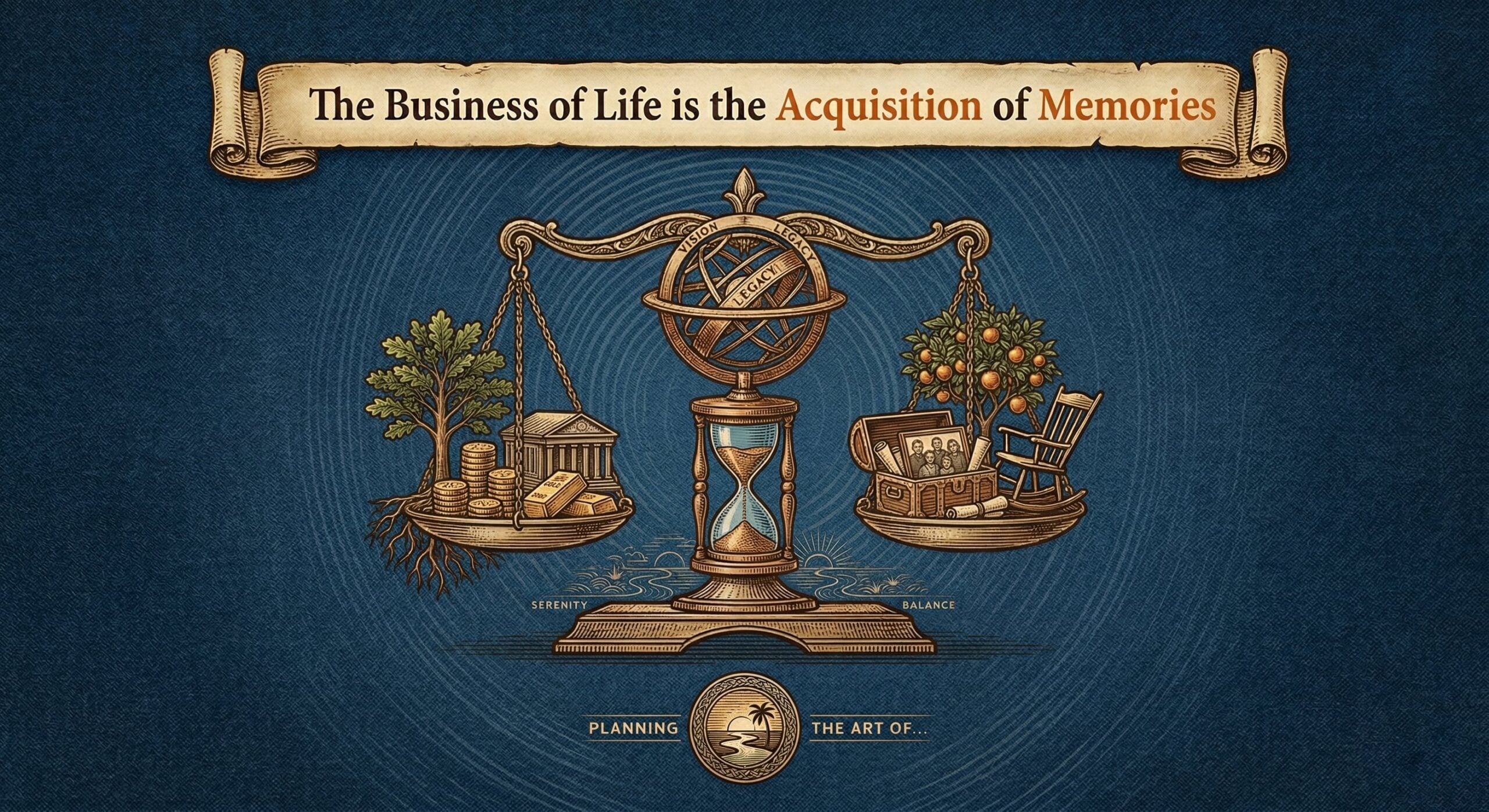
Part of building a good life is knowing when to spend. Not recklessly. Not to impress anyone. But intentionally. On experiences. On moments. On yourself.
Most of our problems are not real. They’re linguistic. They exist in the words you use to describe your situation, not in the situation itself. In other words, if you change your words, you can make your problems go away. Because what if the things you label as problems are not even problems in the first place?