


Early signs are emerging that the energy shock could aid the global spread of renewable power, batteries, electric cars and other climate-friendly tech.
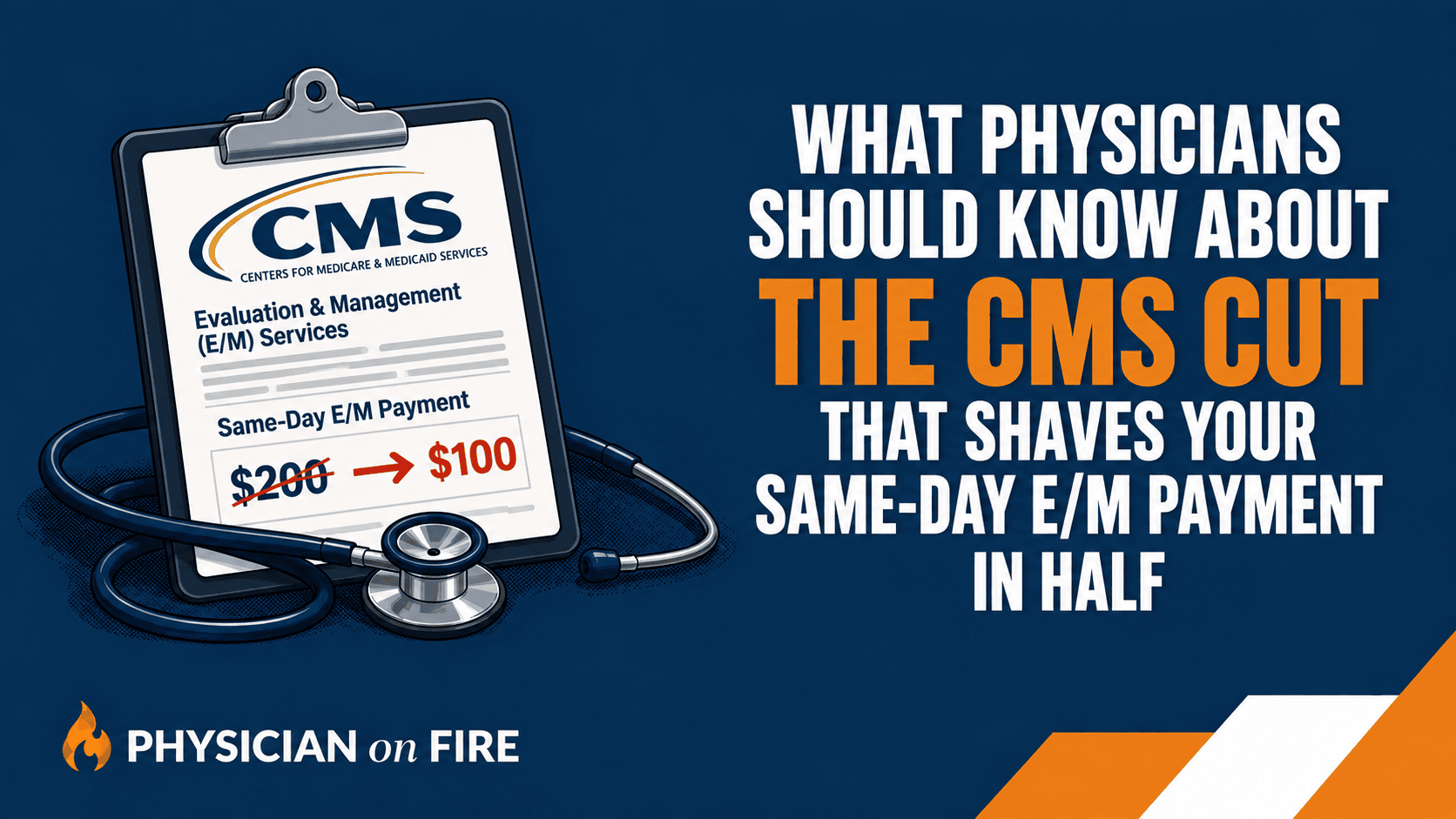
In a health care landscape where Americans are spending more out-of-pocket ($1,632 per capita in 2024), rising costs and unaffordability are front and center. Coupled with inflation and slow income growth, many consumers are having to make difficult tradeoffs like cutting back on groceries or utilities to afford their care. If these trends continue, consumers will need to increasingly rely on price shopping.
Why have all of the predictions about a consumer slowdown this decade been wrong up to this point? Although it always feels like the rich just keep getting richer, the bottom 90% has actually experienced larger relative gains in wealth in the 2020s.
Why are Americans so down on an economy that, while not the greatest, isn’t terrible by the usual measures? This isn’t a new question: Kyla Scanlon coined the term “vibecession” in 2022 for a situation in which people feel bad about an economy that doesn’t look that bad by the numbers.
There are more American millionaires than ever before, but many of them don’t feel rich. In many parts of the country, $1 million has become a starting point for the American Dream. The average entry-level homes cost $1 million or more in more than 200 U.S. cities — including parts of Kansas, Minnesota and Georgia — according to a recent analysis by Zillow.
Most people approach retirement housing the same way. They ask, “Should we downsize?” or “How much house can we afford?” Those are reasonable questions. A better question is this: Will this home still function for me if my mobility declines, if I can’t drive, or if I need help with daily tasks? That’s where the real risk sits.
The share of single women Gen Z homebuyers is nearly double the number of same-aged single men buyers, research shows. They may want to consider pairing the purchase with another financial task: Creating an estate plan.
Researchers have identified three dimensions that contribute to a meaningful life: coherence, the sense that life makes sense and isn’t purely chaotic; significance, the sense that your life matters right now; and purpose, the sense that you have something meaningful to work toward. You don’t want to derive all your meaning from one source.
How should a person be? There is no playbook. And yet we cling to these ideas of status — these proxies for worth — because the alternative is sitting with the question of whether any of this matters at all.
Under Coast FIRE, you don’t need to acquire as many resources as you do with traditional FIRE, and you don’t need to be as frugal either. But has this changed in the age of AI?
High-income physicians are among the most educated professionals in the country. They’re also, statistically, among the most consistent overpayers of federal income tax. There are three specific categories where physicians lose money without realizing it.
Upcoming Event
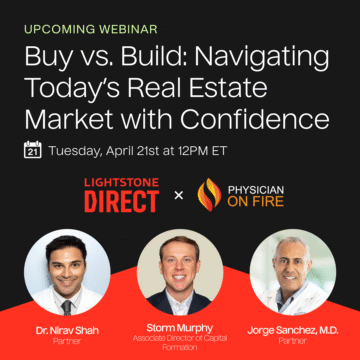
Buy the Apartment. Don’t Build It.
Most physicians who ask me about real estate syndications want to know one thing: is this a decent moment to put capital to work, or should I sit on my hands? I’ve been tracking a specific setup in multifamily for the better part of a year, and it’s worth a real conversation.
Tuesday, April 21st at 12PM ET, I’m joining Storm Murphy from Lightstone DIRECT for a live session on the buy versus build question. We’re walking through why the math on new construction has broken down, and why acquiring existing Class B multifamily at a discount to replacement cost is currently the stronger play.
What we’re covering:
The Build Trap. Construction costs have surged while rents have flattened in most metros. Developers penciling new projects today are underwriting numbers that don’t work, and a lot of them will learn that lesson publicly.
Discount to Replacement. Well-located existing properties are trading for less than what it would cost to build them from dirt. That gap is the whole opportunity. When you can buy at 70 cents on the construction-cost dollar, you’re starting the game ahead of anyone breaking ground today.
Market Realities. Class A inventory is glutted across a dozen Sun Belt metros, interest rates refuse to cooperate with anyone’s 2022 pro forma, and leverage levels sit lower, which sounds bad until you realize it also means less forced selling.
Cash Flow Over Cap Rate Speculation. Storm is walking through Hidden Lakes Apartments, a Class B community in Grand Rapids, Michigan, with a projected 7.4% average cash-on-cash distribution anchored in actual operations rather than hope that exit cap rates compress three years out.
Physicians have a specific real estate problem. We earn high W-2 income, which kills most tax-advantaged plays, and we have almost zero time to hunt down individual deals, vet sponsors, or babysit properties. Good syndications solve both, assuming the sponsor is disciplined about entry price and honest about the assumptions baked into the pro forma.






1 thought on “The Sunday Best (04/19/2026)”
Coast FIRE reframes the question in a way that actually fits how surgeons practice — you don’t need the full number if your burn rate is low and your skills are still generating income you enjoy. The tension I see with physicians specifically is the assumption that scaling back means stepping back clinically. In practice, the surgeons I know who’ve hit something close to Coast FIRE are still operating — just on their terms, in places they chose, without the institutional overhead. The math changes when you remove the W-2 cost structure from the equation. The hourly rate looks very different when you’re not subsidizing administrative bloat with your clinical time.
— E², Golden Scalpel