


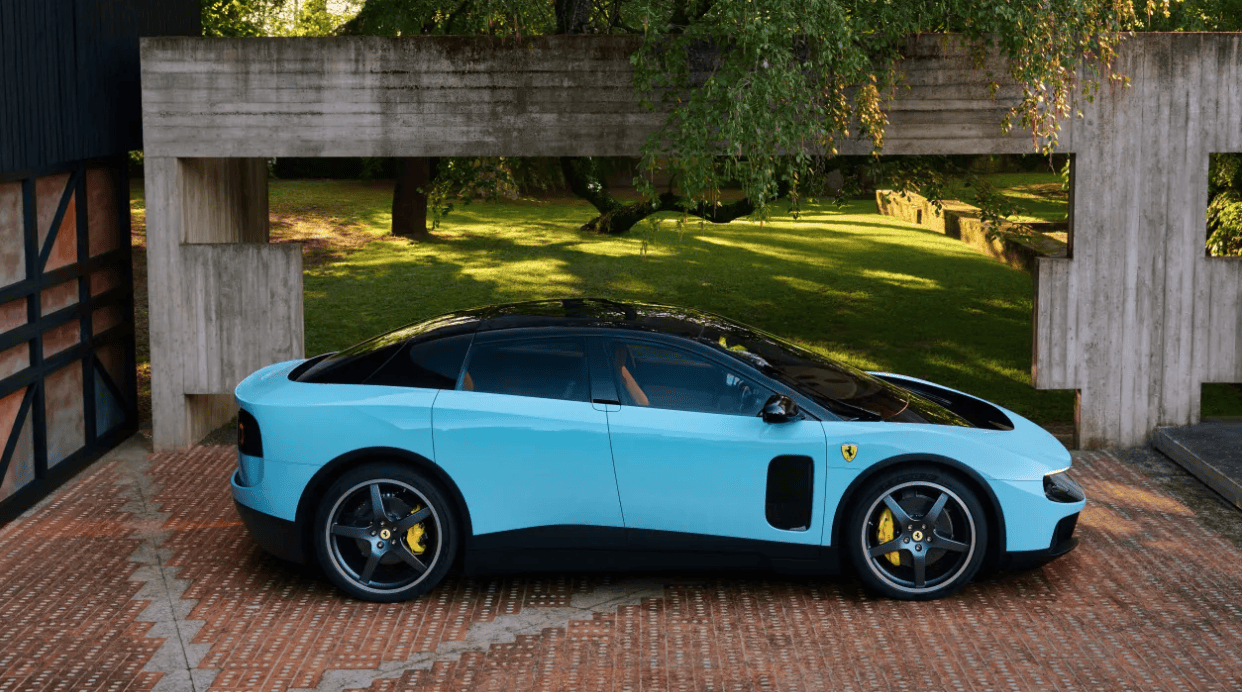
I was moved to write today by the Ferrari “Luce,” an electronic model from the luxury sports car manufacturer. Ferrari shares actually went down after the launch. My question is, will EVs, or luxury EVs, become the new doctor cars?
Pull into any hospital parking lot in 2026, and you’ll see fewer 911s than you might expect. You’ll see a lot of Toyotas. A few Subarus. Plenty of Hondas. And increasingly, you’ll see Teslas.
I drive one.
That puts me in a curious spot for writing this piece. I’ve long argued that the “doctor car” is a myth designed to part high earners from their money, and I agree with that argument.
So when I bought a Tesla, I had to ask myself a question worth asking out loud: did I just buy a fancier version of the same trap?
The answer, I think, is “maybe,” although I really like my Tesla. Let me walk through it.
What doctors actually drive
I love going down Reddit rabbit holes. But if you take Reddit at face value, the doctor car is dead.

In a recent thread asking why family doctors don’t drive luxury cars, the answers ranged from “kids destroy our cars” to “I’d rather not be the doc rolling up in a Porsche to manage patients who can’t afford their $4 meds.”
One family doc summed it up: “My biggest financial flex as an attending is my paid-off 2013 Camry.”
Hospitalists tell a similar story. The top answer to “what car do you drive” was, “Toyota Sienna.” A handful of BMWs and Porsches appear deeper in the thread, mostly bought after years of attending income and aggressive debt paydown.
The picture changes when you walk into the surgeons’ lot. Orthopedists, cardiologists, and radiologists are more likely to be in something German and fast, which tracks with their pay.
The 2026 Medscape Physician Compensation Report puts average orthopedic compensation at $611,000, cardiology at $575,000, and radiology at $571,000. Family medicine sits at $288,000. Pediatrics at $266,000.
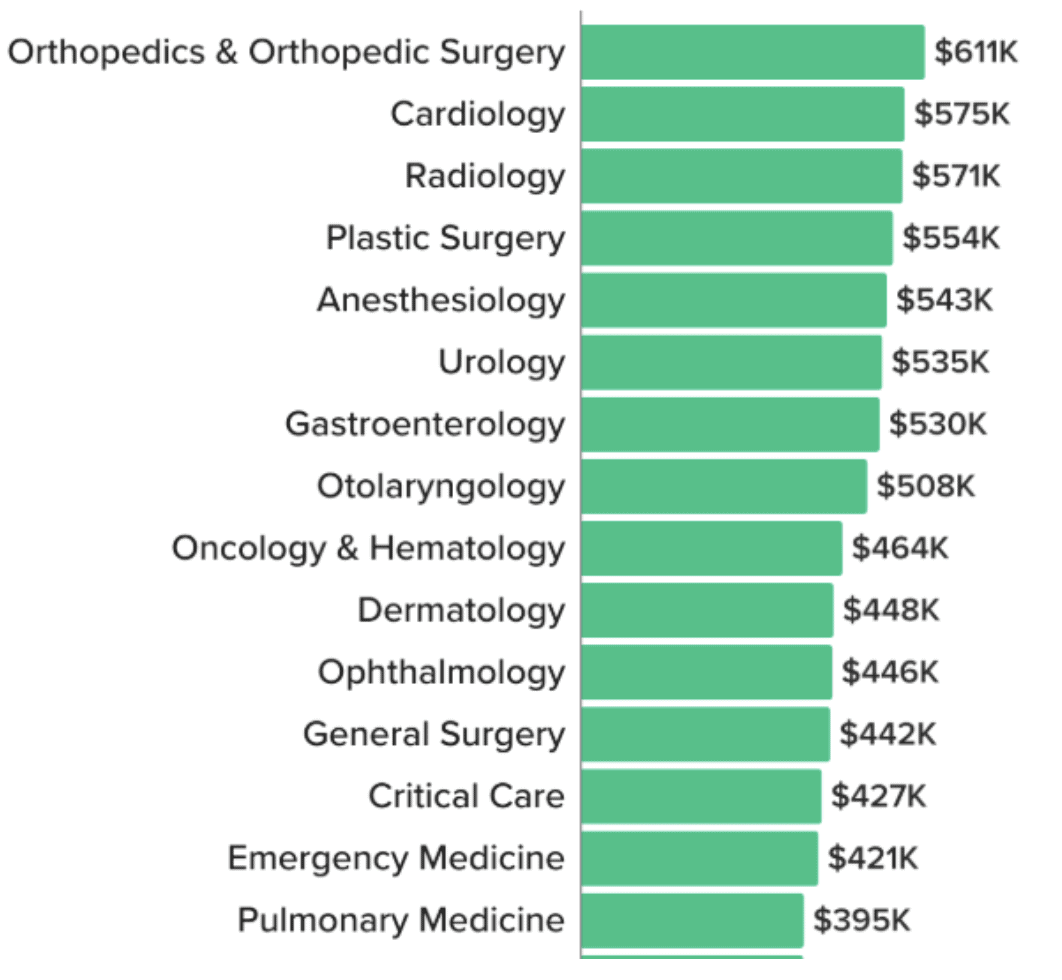
A $100,000 car eats roughly a third of a family doc’s gross compensation. For an ortho on $611,000, it’s closer to 16%. The numbers aren’t the same, and the cars in each lot reflect that.
For those of you reading, I’d appreciate if you left a comment about your car and specialty, and any advice you have about the doctor car!
So where does the Tesla fit?
Here’s what I think is genuinely different about EVs versus the traditional doctor car.
A Toyota Sienna is a sensible car. A new Porsche 911 is a flex. A Tesla Model 3, increasingly, is just a car. EVs now make up between 3 and 5% of the rental fleet nationally, and used EV sales jumped 27.7% year-over-year in March 2026.
The average used EV sold for $34,653 last quarter, only $1,102 more than a used gas car. 44% of used EVs sold for under $25,000.
That’s not luxury car territory. That’s Camry territory.
The Tesla shows up on the Reddit threads too, often paired with a beat-up Honda. One hospitalist wrote that the Model 3 was “a great tool for the way I work. Decently priced. No spending on gas or much maintenance.”
An ophthalmology lot full of Subarus and one Tesla isn’t the same picture as a surgeons’ lot full of Cayennes.
So is the EV the new doctor car? In the sense of “what high-earning physicians actually buy,” maybe. In the sense of “depreciating luxury statement piece”? Not really. Not for most of them.
The Doctor Car, with FIRE in mind
The financial case for an EV depends almost entirely on how you charge it and how long you keep it.
Gas hit a national average of $4.56 per gallon in May 2026 after the United States’ involvement with Iran. A 200-mile trip in a 25-mpg car costs about $36.48.
The same trip in a Nissan Leaf, charging at home, costs around $25.92. Charge at a public DC fast charger, and the equation flips: a 1,015-mile-per-month commuter pays around $169 monthly at fast chargers versus about $59 at home, and $147 in a 30-mpg gas car.
The home charger is the whole game.

If you can install a Level 2 charger without a major electrical upgrade, your fuel cost drops dramatically. If you can’t, the rental-style math from a recent New York Times piece comparing EV, hybrid, and gas rentals in California is instructive: the gas car often still wins on total trip cost.
Then there are the other line items. EVs average $4,058 per year to insure, compared with $2,732 for gas cars. Collision repairs cost $6,395 on average for fully electric cars versus $5,105 for gas. Battery replacement runs $5,000 to $15,000 if you’re outside the warranty window.
So the EV is cheaper to fuel and maintain in some ways, and more expensive to insure and repair in others. The honest answer is that fuel savings only matter if you drive a lot, charge at home, and keep the car long enough for the savings to compound.
If you finance the car, the math gets worse fast. My position on car loans has been consistent for years: don’t take on debt for a depreciating asset. Jordan Frey put it plainly: Leasing means “subsidizing the depreciation of the car for the dealership.”
That logic doesn’t change because the car runs on electrons.
The cars are disappearing anyway
There’s a separate problem worth flagging if you’re shopping for an EV in 2026: a lot of the models are being killed.
The federal $7,500 tax credit ended in September 2025.
New EV deliveries dropped 27% in Q1 2026.
The list of EVs canceled or paused this year is long: Tesla Model S, Tesla Model X, Hyundai Ioniq 6 Standard, Hyundai Kona Electric, Kia Niro EV, Volvo EX30, Honda’s entire 0 Series, the Acura RSX, BMW i4, and BMW iX.
Even Ferrari is hedging. The new electric Luce was unveiled in Rome this week at 550,000 euros, and Ferrari shares dropped 6% the next morning. The company has cut its 2030 EV target from 40% of its lineup to 20%.
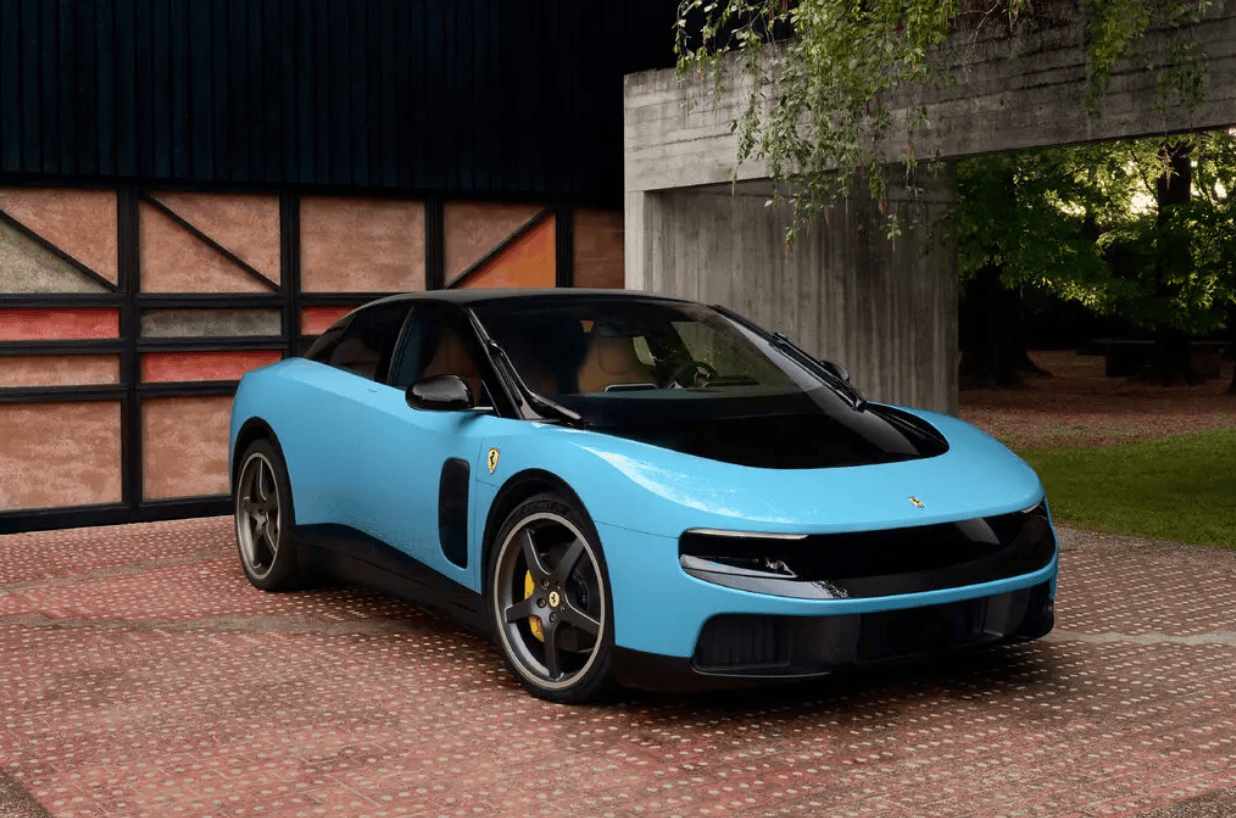
Image Credits: Ferrari
This matters for resale and for parts. A used EV from a discontinued model line has fewer service options and an uncertain parts pipeline. If you’re going to buy used, and on a FIRE timeline you probably should, stick with platforms that are clearly continuing.
Is the EV worth it on the FIRE path?
Here’s my actual answer, as someone driving a Tesla while also running the FIRE math.
A reasonably priced used EV, charged at home, kept for 8 to 10 years, and paid for in cash is consistent with FIRE. It’s not optimal, but it’s defensible.
The lifetime fuel and maintenance savings can offset the higher insurance and repair costs, especially for a long commute.
A new $100,000 luxury EV financed over 72 months is the same doctor car trap, just quieter. The depreciation curve on a $90,000 EV is brutal, and a five-year auto loan represents real money that should be in a taxable brokerage account or wiping out student loans.
The wealthiest physicians aren’t driving the most expensive cars. They’re driving paid-off cars. One radiologist with a $1.4 million income mentioned eyeing a 911 GTS and admitting it still “felt crazy” to spend $180,000 on a car. That instinct is the one I can get behind.
The doctor car is all about this question: am I spending intentionally, or am I spending because my income lets me? Replacing a 911 with a Model Y doesn’t answer that question. Charging the answer at home does.
I’ll keep the Tesla. I bought it new, I paid upfront, and I plan to drive it until the battery warranty runs out and then for a few years past that. That’s the only version of this story where the EV isn’t just the new doctor car.









4 thoughts on “Is the Electric Vehicle the New Doctor Car?”
Electric vehicles are a great example of how advanced electronics and efficient power management are transforming modern transportation.
I get the EV appeal for doctors, especially with the tax incentives and the quiet, smooth ride after a long shift. But for my line of work, I need something that can haul materials and handle job site conditions without worrying about range anxiety. I’ve been looking at chevrolet work trucks because they offer the payload capacity and towing power I actually need. The Silverado EV is an interesting option, but I’m not convinced the charging infrastructure is quite there yet for remote job sites. For now, a gas-powered Silverado 2500HD feels like the more practical choice for getting the job done without the extra planning
Interesting article and so many valid points about car ownership. The Toyota Sienna and Honda Odyssey are both vehicles that make total sense for a family and I have owned several over the past 20 years. My kids are now grown and I still own an Odyssey to carry my parents, kids, dog and all of my gear for our band. The paid for 2-3 year old car is the best value IMO. I personally prefer a hybrid vehicle and currently drive a 3 year old Lexus ESH after selling my Honda accord hybrid. Both are fantastic vehicles – the Accord was actually more fun to drive and got better mileage. Early in one’s career, it is really important to reduce debt and start saving. Buying an expensive car comes with so many costs that may get overlooked by the shiny paint and new car smell.
Tesla with Full Self Driving is the revolution. Over 7x safer than human driver alone already. Test dive latest version of you haven’t!