SAVE is officially dead. A federal court entered judgment back in March, ending the plan for good, and loan servicers started sending the official 90-day notices on July 1.
The Saving on a Valuable Education (SAVE) plan was an income-driven repayment (IDR) program for federal student loans. It was launched in 2023 and calculated monthly payments based on income and family size rather than the loan balance.
If you were part of the SAVE plan, the deadline to pick a new plan is approaching fast. Which plan you pick, and when, determines whether your payment will triple in size or stays manageable.=
Read More:
But you don’t have to wait for the letter. Per the Department’s guidance, a borrower can contact their servicer at any time to enroll in a new plan without waiting for their specific 90-day notice.
If you’re pursuing PSLF, every month spent in forbearance is a month that isn’t advancing your qualifying-payment count.
 Any new federal loan taken on or after July 1, 2026 permanently removes IBR access for all of a borrower’s Direct Loans, including ones disbursed earlier.
Existing borrowers who want to keep IBR available must actually enroll in it by July 1, 2028. otherwise RAP will be their only option going forward.
A fellow taking one more disbursement in August 2026 to cover a final training year could permanently close off IBR— the plan that, based on the debt-to-income modeling in our companion piece, tends to beat RAP for anyone whose debt isn’t drastically outsized relative to income.
The enrollment deadline is September 30, 2026, and the reduction stacks on top of whichever repayment plan you choose.
Any new federal loan taken on or after July 1, 2026 permanently removes IBR access for all of a borrower’s Direct Loans, including ones disbursed earlier.
Existing borrowers who want to keep IBR available must actually enroll in it by July 1, 2028. otherwise RAP will be their only option going forward.
A fellow taking one more disbursement in August 2026 to cover a final training year could permanently close off IBR— the plan that, based on the debt-to-income modeling in our companion piece, tends to beat RAP for anyone whose debt isn’t drastically outsized relative to income.
The enrollment deadline is September 30, 2026, and the reduction stacks on top of whichever repayment plan you choose.


- Gen Z is Giving Up On The American Dream and Your FIRE Goals Just Got More Urgent
- One Big Beautiful Bill Act: What It Means for Physician Taxes in 2025 and 2026
- Mid-Year Financial Checkup for Physicians: Are You on Track in Big 2026?
Why SAVE Is Actually Dead This Time
On March 10, 2026, a federal district court entered judgment on a settlement between the Department of Education and the state of Missouri, vacating most of the 2023 rules that created SAVE. Separately, the 8th Circuit Court of Appeals struck down the plan and closed out the remaining appeal. Between the two rulings, the litigation that kept SAVE in limbo for close to two years is closed. The Department of Education directed the roughly 7.5 million enrolled borrowers to exit what it calls the “unlawful SAVE Plan” and enter a legal repayment plan, per its March 2026 press release. No matter where you stand politically, the reality is that SAVE is gone, and you don’t have much time left to get your ducks in a row.Your Actual SAVE Deadline (It’s Not the Same for Everyone)
The 90-day countdown didn’t begin on July 1 for every borrower. Notices went out starting that date, but in staggered batches. As per Forbes, each borrower’s clock starts only when their individual notice arrives, and the rollout could stretch into 2027 for some. The Department has conceded, in a court filing, that no borrower will be required to move off SAVE before September 29, 2026 at the earliest, which is exactly 90 days after the first notices went out
What Happens If You Miss Your SAVE Window
If you miss your window, you’ll automatically end up enrolled in the Standard Repayment Plan or the new Tiered Standard Plan. Payments under those plans are calculated off your loan balance rather than your income, are often out of reach for many borrowers, and don’t count toward PSLF or other federal forgiveness tracks. For a physician carrying six figures in federal debt, that could mean a monthly bill in the thousands, on a plan that does nothing for PSLF.The PSLF Backlog
If you’ve been in SAVE forbearance while working toward PSLF, note that forbearance time isn’t automatically credited toward your 120 qualifying payments. Recovering it requires a separate application through the PSLF Buyback program. According to a Department of Education court filing, roughly 88,000 Buyback applications were pending as of late April 2026, though the Department disclosed that up to 20,000 of those are duplicate submissions from borrowers who filed more than once. That same filing showed April as the first month the Department processed more applications than it received, so the backlog is easing, but the queue is long. If forbearance months apply to your PSLF timeline, the sooner you file, the better.The Landmine Specific to Physicians: One More Loan Disbursement
If you’re finishing fellowship or a final training year and expect one more federal disbursement, or you’re weighing consolidation, read this first. A borrower with loans made before July 1, 2026, who takes out additional loans on or after that date, has all of their loans, old and new, restricted to RAP and the new standard plan.Your Three Real Loan Payment Options
If you aren’t considering PSLF, you’ll choose between IBR, RAP, or refinancing out of the federal system. IBR tends to win for physicians with debt that’s modest relative to income, because of its 10-year payment cap. RAP can win when debt runs well ahead of income, since its flat AGI-based formula doesn’t scale with loan balance the way IBR’s cap does. If PSLF isn’t part of your plan, refinancing to a private loan if the rates justify it typically beats riding either federal plan to a taxable forgiveness date. RAP wasn’t available to enroll in until July 1, 2026. Before that date, leaving SAVE meant choosing among IBR, PAYE, or ICR. If you’ve already confirmed IBR fits your debt-to-income ratio, there’s no reason to wait. The Department has publicly urged SAVE borrowers to move to a compliant plan, naming IBR specifically, per its own statement from Secretary McMahon.Interest Capitalization
Leaving SAVE for another plan does not, by itself, capitalize your unpaid interest. Unpaid interest has not been added to principal when a borrower exits most income-driven plans since July 1, 2023. The one statutory exception is leaving IBR itself, which does capitalize unpaid interest. Practically, that means if your eventual target is RAP, but you’re not ready to enroll yet, routing through PAYE or ICR as a temporary stop doesn’t capitalize anything, but enrolling in IBR first, then leaving it later, would. Separately, and regardless of which plan you choose, your balance has been accruing interest since August 1, 2025, when the Department restarted accrual on SAVE loans. If you assumed the forbearance meant a frozen balance the whole time, check your servicer account; most SAVE borrowers have been accruing interest for nearly a year.The Auto Pay Rate Cut And A Checklist
Since you’ll already be in your servicer portal, enroll in Auto Pay at the same time. The autodraft interest-rate reduction increased from 0.25% to 1%, effective July 1, 2026, running through June 30, 2028.
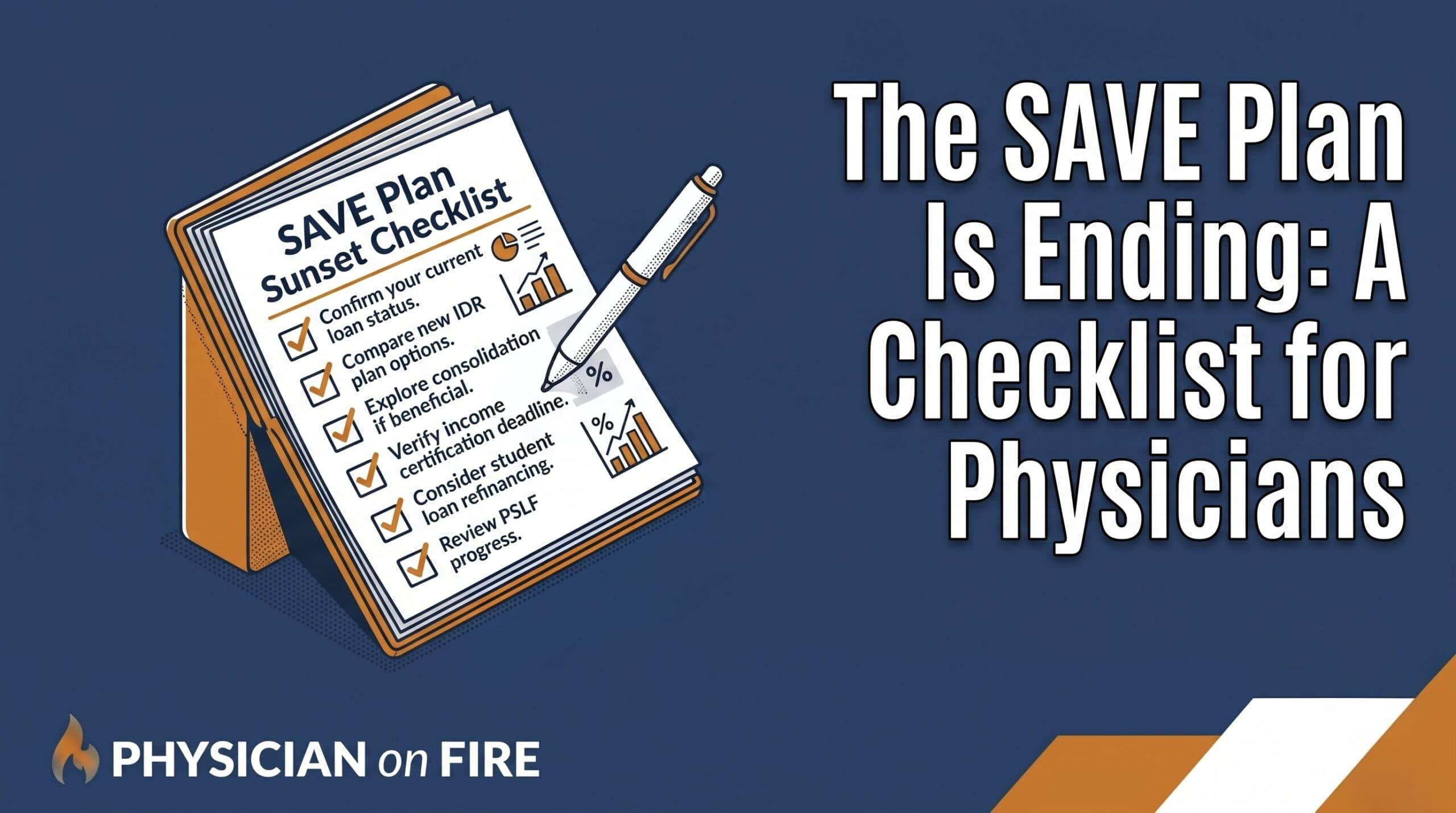
Your Checklist
- Rather than waiting on your mail, check your servicer portal today for your accrued interest total and your specific notice date.
- Confirm whether you’ll take any new federal disbursement on or after July 1, 2026. If IBR eligibility matters to your plan, you need to decide on that before disbursement.
- Compare IBR and RAP against your actual debt-to-income ratio rather than defaulting to whichever plan your servicer suggests first.
- If RAP is your eventual target but you’re not ready yet, route through PAYE or ICR, not IBR. Leaving IBR would capitalize interest; leaving the other won’t.
- File a PSLF Buyback application if you have forbearance months you want credited toward your 120 payments.
- Enroll in Auto Pay while you’re already logged in, before September 30, 2026.
- If PSLF isn’t part of your plan, get refinancing quotes now to compare against your new federal payment before committing.
- Recertify income the moment you enroll, and plan for next year’s recertification immediately.
Frequently Asked Questions
Is the SAVE plan over?
Yes. A federal court ended it for good on March 10, 2026. There’s no path back to it.What is the SAVE plan deadline?
You get 90 days from the date your servicer sends your notice, not from July 1 itself. Notices started going out July 1, 2026 in staggered batches.What happens if I miss the SAVE plan deadline?
You get automatically moved to the Standard Repayment Plan or the new Tiered Standard Plan. Payments on both are based on your loan balance, not your income, and usually don’t count toward PSLF.Do I have to pay interest during SAVE forbearance?
Yes, as of now. Interest started accruing again on August 1, 2025. The forbearance only paused required payments, not interest.Will switching out of SAVE hurt my PSLF progress?
Switching plans on its own won’t hurt your count. SAVE forbearance months don’t automatically count toward PSLF though, so you’ll want to file a Buyback application if you want that time credited.What replaces the SAVE plan?
Your main options are IBR, RAP, PAYE, or ICR, depending on when you borrowed. RAP became available on July 1, 2026.Is RAP or IBR better after SAVE ends?
It depends on your debt relative to your income. IBR tends to win if your debt is modest compared to your salary. RAP tends to win if your debt is large relative to your income.Can I still enroll in IBR after SAVE ends?
Yes, as long as all your federal loans were disbursed before July 1, 2026. New loans taken out on or after that date permanently block IBR.Does leaving SAVE trigger interest capitalization?
No. Leaving SAVE for another plan doesn’t add unpaid interest to your balance. Leaving IBR specifically does, so route through PAYE or ICR instead if RAP is your end goal.What if I never got a 90-day notice?
Your deadline hasn’t started yet. You can still switch plans early without waiting for the letter.