
In a decade’s worth of training, not a single hour was expended to teach you how a 401(k) works, what a Roth conversion is, or what happens when you sign a bad employment contract.

Now, here you are, finally earning big bucks, but with no idea what to do with ’em.
Medicine selects for clinical excellence. Financial literacy? We don’t know her. Unsurprisingly, the financial industry has noticed. And you’re a target-rich environment for bad advisors, overpriced products, expensive mistakes…and lately, outright scams.
The DEA and CMS both issued warnings in 2025 about schemes targeting physicians specifically, with fraudsters impersonating federal agents and Medicare contractors to fish for personal information and payments. The world knows what you’ve got and wants it. Bad.
Fortunately, a few well-chosen books will fix most of that. Here are some good ones to get you started on the right track.
Don’t forget to read: The Tale of Four Physicians
For The Newbies
If you don’t know a Roth from a hole in the ground, these books are for you.
1. The White Coat Investor: A Doctor’s Guide to Personal Finance and Investing by James M. Dahle, MD⭐ 4.8/5 | $22 | Buy on Amazon “If you are willing to live like no one else will early in life, then you can live like no one else can later in life.” If you only read one book on this list, it’s this one. Dahle is an ER physician who got burned by shady financial advisors early in his career and spent the next decade figuring everything out himself. The result is a financial education compressed into an afternoon read. Roth vs. traditional accounts, index fund investing, disability insurance, asset protection, this book’s got it all. Dahle writes like a colleague with no jargon or upsell to bore you out of your mind. He covers the stuff medicine never taught you and tells you exactly what to do about it. I’d say this is the closest thing physicians have to a required financial text. |
 |
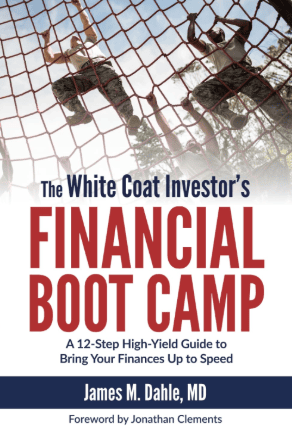
2. The White Coat Investor’s Financial Boot Camp by James M. Dahle, MD⭐ 4.8/5 | $27 | Buy on Amazon “You assumed the hard work of becoming a doctor would eventually make you rich, but a high income does not guarantee financial success.” Think of this as the tactical follow-up to the original WCI book. Where that one gave you the philosophy, this one hands you a 12-step checklist and tells you what to actually do. Topics like disability insurance, estate planning, and retirement accounts are all laid out step by step. Several readers knock this out in one sitting. Real stories from physicians who went from financially overwhelmed to financially independent make it feel achievable rather than abstract. If you’re just out of residency and need someone to tell you the specific moves to make right now, start here. |
 |
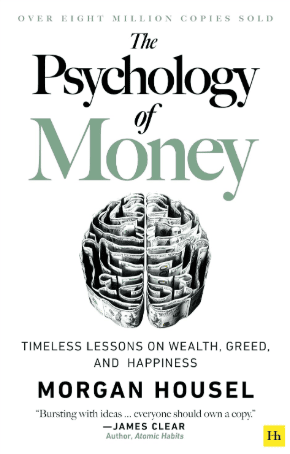
3. The Psychology of Money by Morgan Housel⭐ 4.7/5 | $9–$25 | Buy on Amazon “Saving is the gap between your ego and your income.” With over 10 million copies sold worldwide, this one has earned its place. Rather than financial mechanics, Housel teaches you why smart, high-earning people consistently blow up their financial lives. Each of the nineteen short chapters features a mini-essay on how psychology shapes wealth outcomes. For physicians specifically, this one hits home. You’re trained to be decisive and confident and right. Those instincts serve patients well. In a down market, they can torch a portfolio. Read this early, before the habits become permanent. |
 |
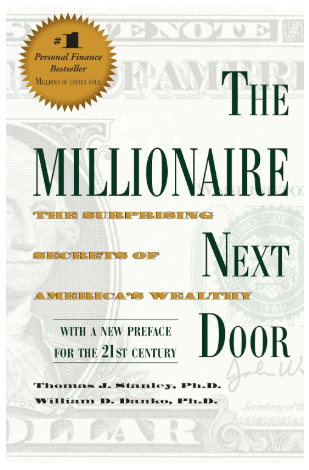
4. The Millionaire Next Door by Thomas J. Stanley and William D. Danko⭐ 4.6/5 | $18 | Buy on Amazon “Wealth is what you accumulate, not what you spend.” Published in the 1990s, yet it’s still uncomfortably relevant. Stanley and Danko spent years studying actual millionaires and found they look nothing like what you’d expect. No flashy cars, no designer anything, no big house in the right zip code. There’s a whole chapter specifically about physicians, and it’s worth reading twice. Doctors, statistically, are high earners who build relatively little wealth because they lifestyle-inflate to match their incomes. The book calls this being an “under accumulator of wealth.” Read it before your first attending paycheck clears. |
 |
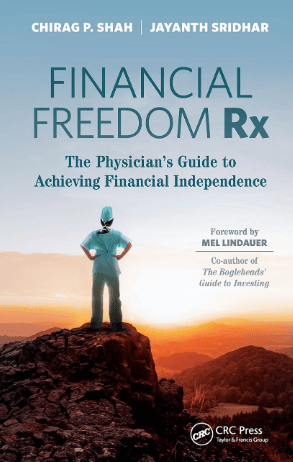
5. Financial Freedom Rx by Chirag P. Shah, MD and Jayanth Sridhar, MD⭐ 4.9/5 | $40 | Buy on Amazon “The journey to financial independence for physicians starts the moment you decide that your financial future is your responsibility.” Two practicing ophthalmologists who’ve lived the full financial arc of med school debt, attending income shock, and the slow grind toward financial independence sat down and wrote the book they wished they had access to early on. It covers the whole career trajectory, from budgeting in medical school to estate planning in your final chapter. The voice is the selling point — two colleagues who figured something out and want you to know. |
 |
For the Financially Literate
You know the basics, you’re already maxing out your 401(k). So, what now?
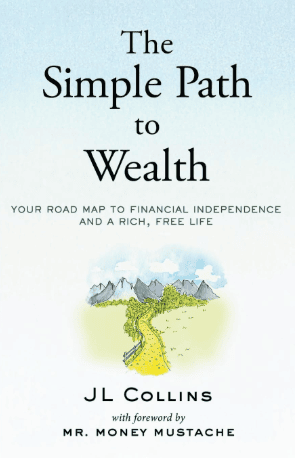
1. The Simple Path to Wealth by JL Collins⭐ 4.7/5 | $33 | Buy on Amazon “Stop thinking about what your money can buy. Start thinking about what your money can earn.” Collins is the Godfather of FI, and this is his manifesto. The core argument is almost aggressively simple: buy a total stock market index fund, keep costs low, don’t panic when markets drop, and wait. That’s the whole system. But the way he argues it (with 50 years of investing experience and a genuine gift for making dry material engaging) makes it hard to put down. For physicians who are already past the basics, this book reframes the goal entirely. You’re not just saving money, you’re building what Collins calls “F-You Money” — enough financial independence to practice medicine on your terms, not your employer’s. |
 |
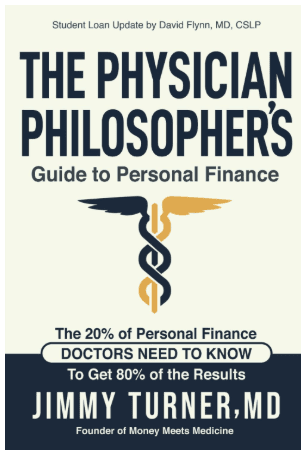
2. The Physician Philosopher’s Guide to Personal Finance by James D. Turner, MD⭐ 4.7/5 | $10| Buy on Amazon “Personal finance is not complicated. It is simply not taught.” Turner is a physician-turned-blogger who asked a genuinely useful question: what’s the minimum a doctor actually needs to know about personal finance to come out ahead? The answer is less than you think. This book is short, targeted, and built for the time-starved physician. Jim Dahle called it “a $2 million book,” meaning the first truly useful financial book you read could be worth that much to you over your career. This one definitely qualifies. |
 |
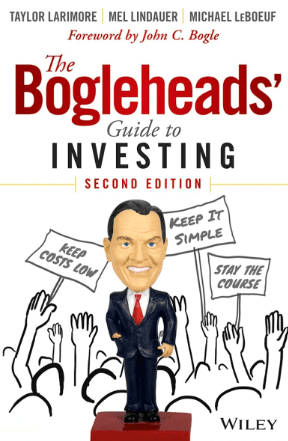
3. The Bogleheads’ Guide to Investing by Taylor Larimore, Mel Lindauer, and Michael LeBoeuf⭐ 4.7/5 | $12–$15 | Buy on Amazon “It’s been said that whom the gods would destroy they first make mad. A large sum of cash can create illusions of endless wealth, especially if it’s a new experience.” The Bogleheads are a community built around the investing philosophy of Vanguard founder Jack Bogle — low-cost index funds, broad diversification, long time horizons, and minimal tinkering. This book is their bible and one of the clearest explanations of why passive investing beats active management you’ll find anywhere. If you’ve ever been pitched actively managed funds by an advisor, reading this is a useful antidote. |
 |
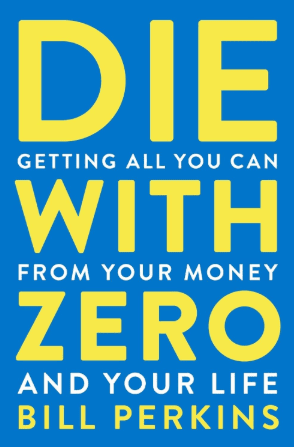
4. Die With Zero by Bill Perkins⭐ 4.4/5 | $10 | Buy on Amazon “The business of life is the acquisition of memories. In the end, that’s all there is.” Most financial books for doctors are gung-ho about accumulation. Save more, invest more, optimize everything. Perkins makes the other case. He argues that obsessively deferring gratification by skipping vacations, working extra shifts, and always saving for later is its own category of financial mistakes. Experiences have a peak age. Miss the right decade and no amount of money buys those back. This one sparks arguments, which is exactly why it’s worth reading. Every list that could otherwise slide into full austerity-mode needs a book like this. |
 |
Deep Dives
Specific problems deserve special attention. Here are some common problem areas with specific books to help you through them.
Taxes
1. Taxes Made Simple: Income Taxes Explained in 100 Pages or Less by Mike Piper, CPA⭐ 4.6/5 | $5 | Buy on Amazon Piper is a CPA who writes books that actually do what their titles promise. This one covers the full mechanics of how income taxes work, including deductions, exemptions, credits, brackets, and retirement account interactions, all in under 100 pages of plain English. Attending physicians walking into their first six-figure tax year with no idea how marginal rates work will get more out of one afternoon with this than from most HR explanations combined. Keep it on the shelf and reread it every April. |
 |
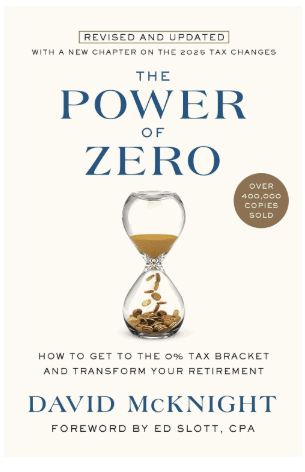
2. The Power of Zero: How to Get to the 0% Tax Bracket and Transform Your Retirement by David McKnight⭐ 4.6/5 | $14–$20 | Buy on Amazon “If you’re like most Americans, you have the lion’s share of your wealth accumulated in the first two buckets—the taxable and the tax-deferred. If that’s the case, don’t despair, because there is a third bucket.” McKnight challenges the conventional wisdom that tax-deferred accounts are always the right move. He argues that taxes are almost certainly going up, given where federal spending is headed, and physicians with large traditional IRAs and 401(k)s may be sitting on a tax time bomb. Not every recommendation in this book is for everyone (some readers take issue with his LIRP suggestions specifically), but the framework for thinking about tax risk in retirement is worth knowing, and most physicians have never considered it. |
 |
Practice Management and Employment Contracts
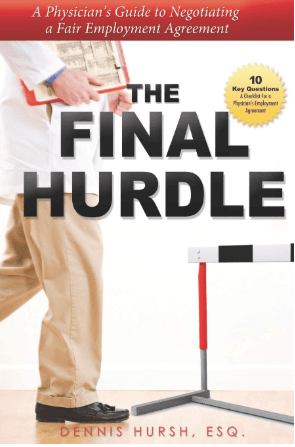
1. The Final Hurdle: A Physician’s Guide to Negotiating a Fair Employment Agreement by Dennis Hursh, Esq.⭐ 4.4/5 | $20 | Buy on Amazon “The first employment agreement can set the stage for the rest of your career, so make sure it’s reasonable.” Hursh has been exclusively reviewing physician contracts since 1992. That’s 30-plus years of watching doctors sign agreements that quietly hurt them with productivity traps, bad non-compete clauses, lopsided termination terms and recruitment packages that only look generous on paper. This book lays out what to look for before you sign, what to push back on, and how to think about compensation structures most residents have never encountered. The money saved from one avoided mistake will dwarf the cover price by orders of magnitude. |
 |
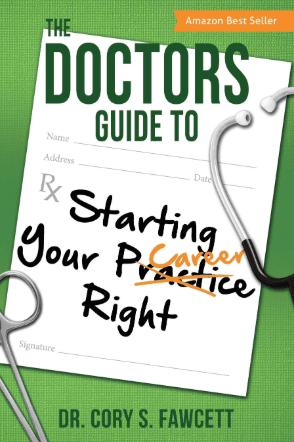
2. The Doctor’s Guide to Starting Your Practice Right by Dr. Cory S. Fawcett⭐ 4.4/5 | $20 | Buy on Amazon Fawcett is a retired general surgeon on a mission to keep physicians out of burnout, debt, and bankruptcy. This book covers what to look for when evaluating your first practice, how to negotiate a contract, how to handle student loans on a new attending salary, and why the lifestyle decisions you make in year one of practice have an outsized effect on when you’ll ever be able to stop working. Short, practical, and written by someone who watched too many colleagues get the first few moves badly wrong. |
 |
Investing
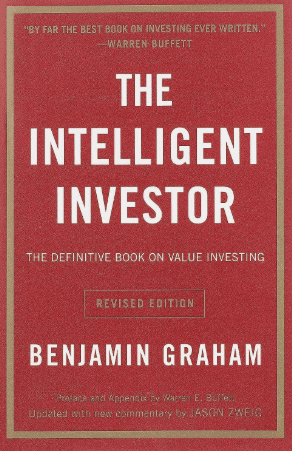
1. The Intelligent Investor by Benjamin Graham⭐ 4.6/5 | $19–$23 | Buy on Amazon “If the reason people invest is to make money, then in seeking advice they are asking others to tell them how to make money. That idea has some element of naïveté.” Graham is the intellectual grandfather of value investing and Warren Buffett’s mentor. Be forewarned, this one isn’t a quick read. It’s dense, and the stock-specific examples are dated, but the underlying framework for thinking about risk, margin of safety, and the difference between investing and speculating remains as relevant as ever. If you want to understand what you’re actually doing when you put money in the market, read this first. It won’t make you a stock-picker but it’ll make you a smarter investor. |
 |
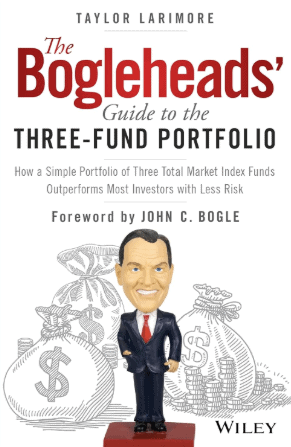
2. The Bogleheads’ Guide to the Three-Fund Portfolio by Taylor Larimore⭐ 4.5/5 | $17–$23 | Buy on Amazon “Don’t look for the needle. Buy the haystack.” If the full Bogleheads’ Guide is the textbook, this is the cheat sheet. Larimore, one of the Bogleheads’ founders, makes the case for the simplest possible portfolio: 1 US stock fund, 1 international stock fund, 1 bond fund. Rebalance once a year. That’s the whole system. For a time-pressed physician who doesn’t want portfolio management to become a second job, this is worth its weight. |
 |
That’s the list. You don’t need all 15 at once. Pick your category, start with one, and actually read it. The financial industry is betting you won’t. Don’t let them be right.